Progress over time
AI agents found a repeating DNA pattern beside a phage enzyme
Claude agents spotted a repeating DNA pattern beside a little-studied enzyme in viruses that infect bacteria. Researchers found related arrangements and measured short RNAs from the array. What the system does remains unknown.
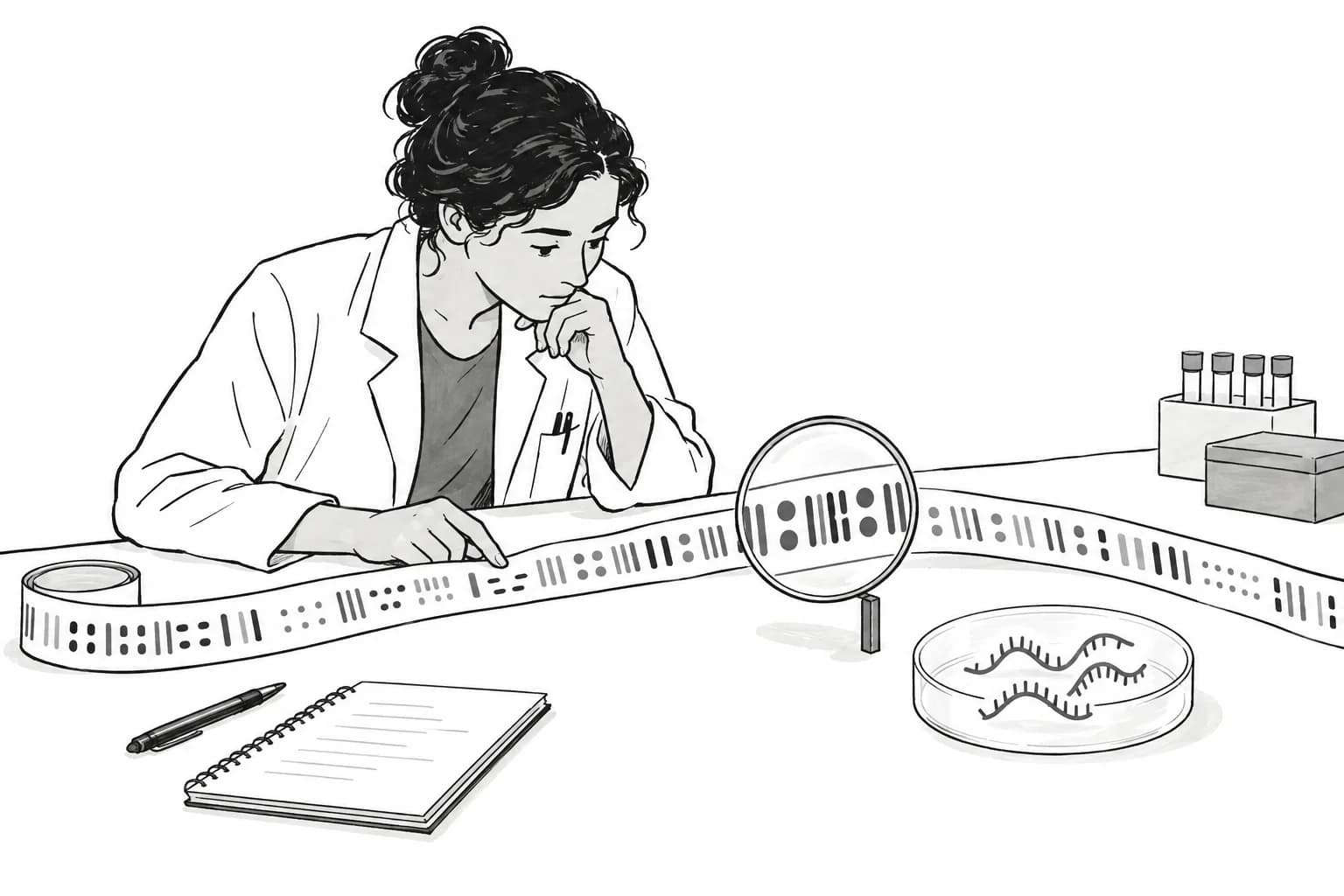
Anthropic life sciences laboratory
Research claim
An AI-suggested shortcut offers a proof of a random-walk conjecture
A mathematician reports that GPT-6 Astra found an unexpected way to recast a probability problem, turning a 2021 conjecture into a short argument using a classical theorem. The result is a new four-page preprint, not yet peer reviewed or independently verified.

Wenpin Tang · arXiv · September 20, 2026
Research claim
Lab results can steer an AI toward more useful proteins
Researchers fed measured results from laboratory-tested proteins back into a protein language model. Across five protein families, the approach generated candidates that performed better in the study's assays. This is a protein-engineering method, not evidence of a new medicine or benefit to patients.
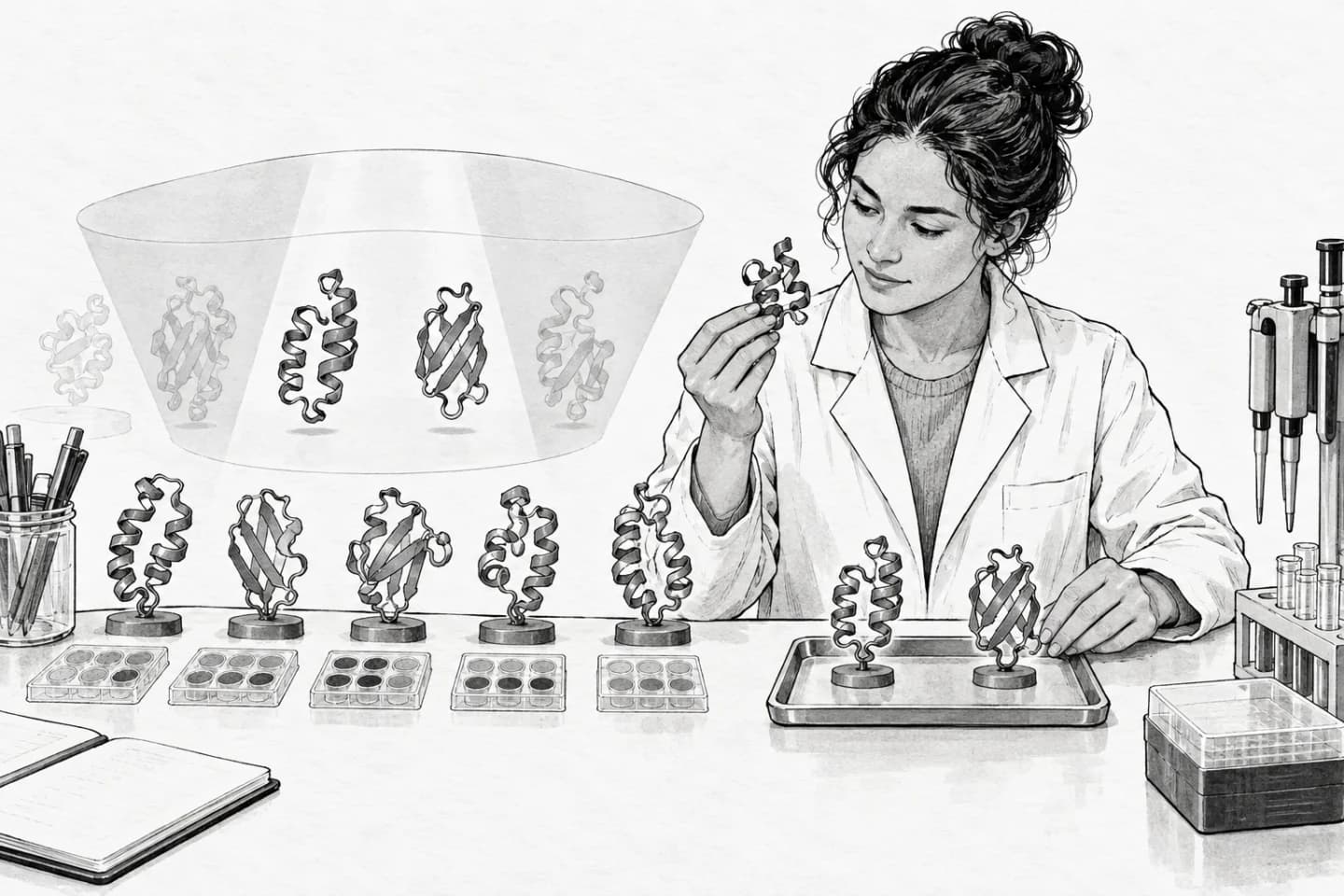
Nature Communications · September 12, 2026
Research claim
A reinforcement-learning system produced machine-checked olympiad proofs
AlphaProof solved three of five non-geometry problems from the 2024 International Mathematical Olympiad, while AlphaGeometry 2 handled one geometry problem. The combined score matched a silver medal, but required formalized statements and days of computation.
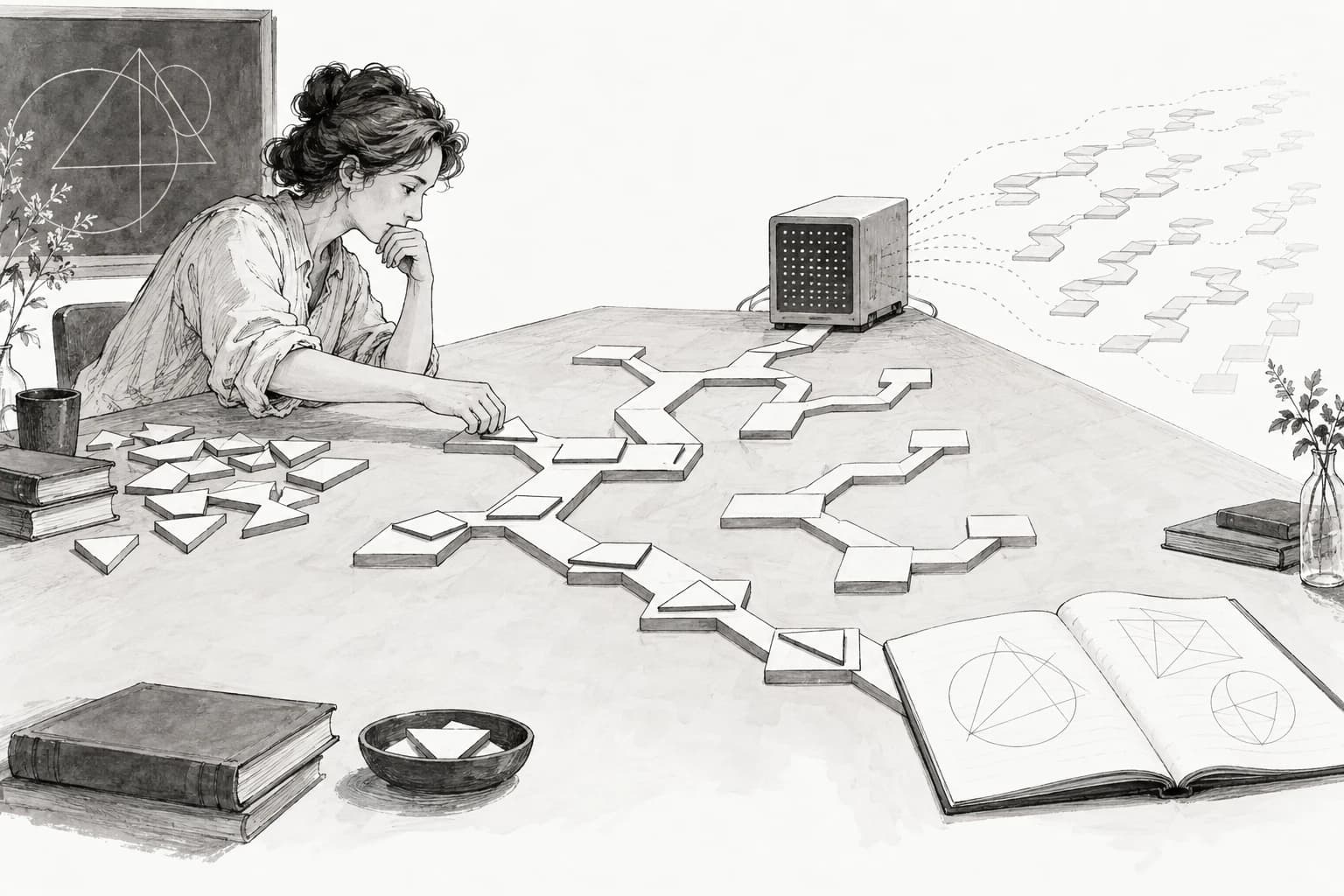
Hubert and colleagues · Nature · November 12, 2025
Independent validation
Language models estimate whether a proposed crystal can be made
Models trained on published synthesis records classified proposed inorganic crystals and suggested preparation methods and starting materials. Strong held-out results do not replace a laboratory synthesis, especially for less common methods.
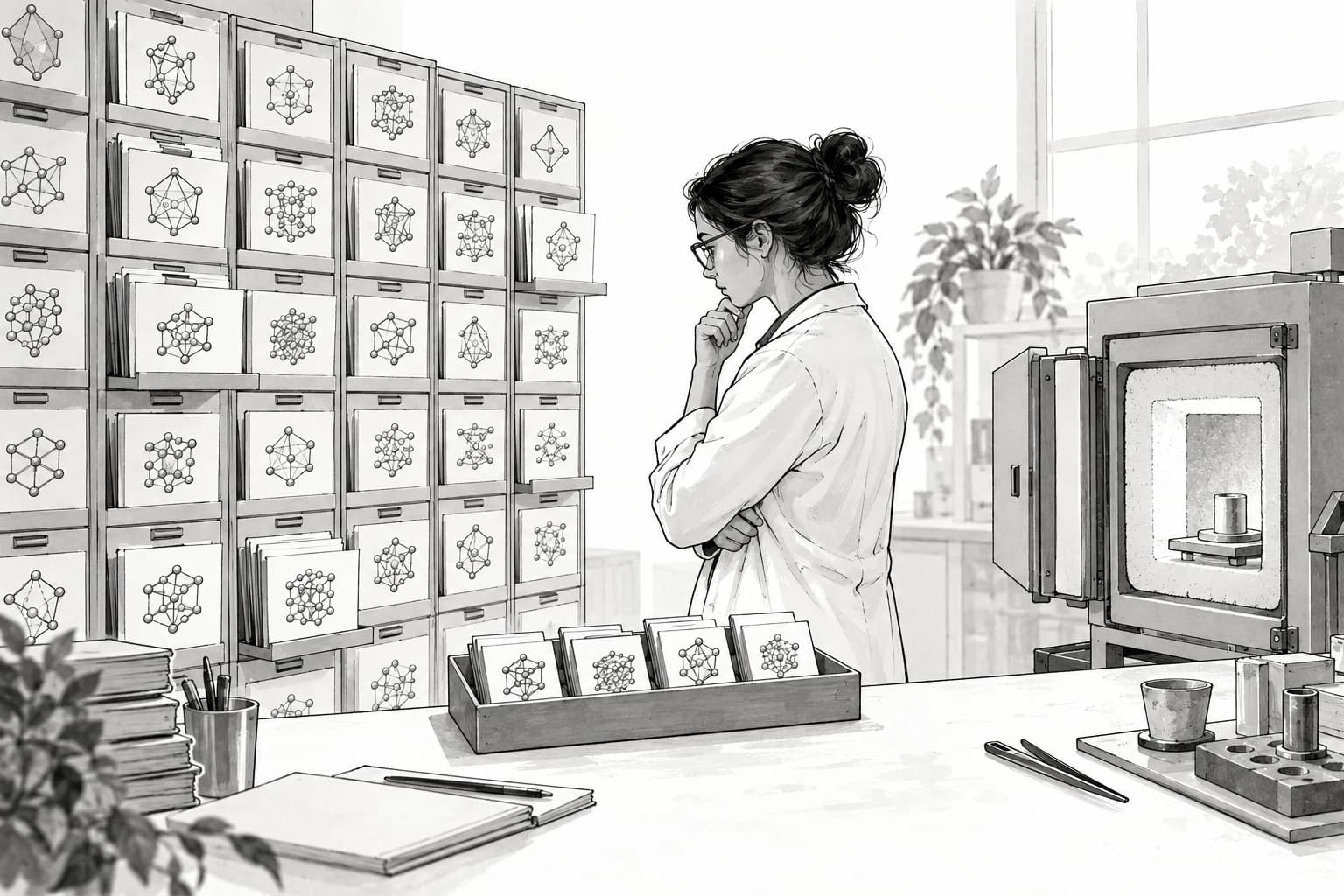
Jang and colleagues · Nature Communications · July 15, 2025
Research claim
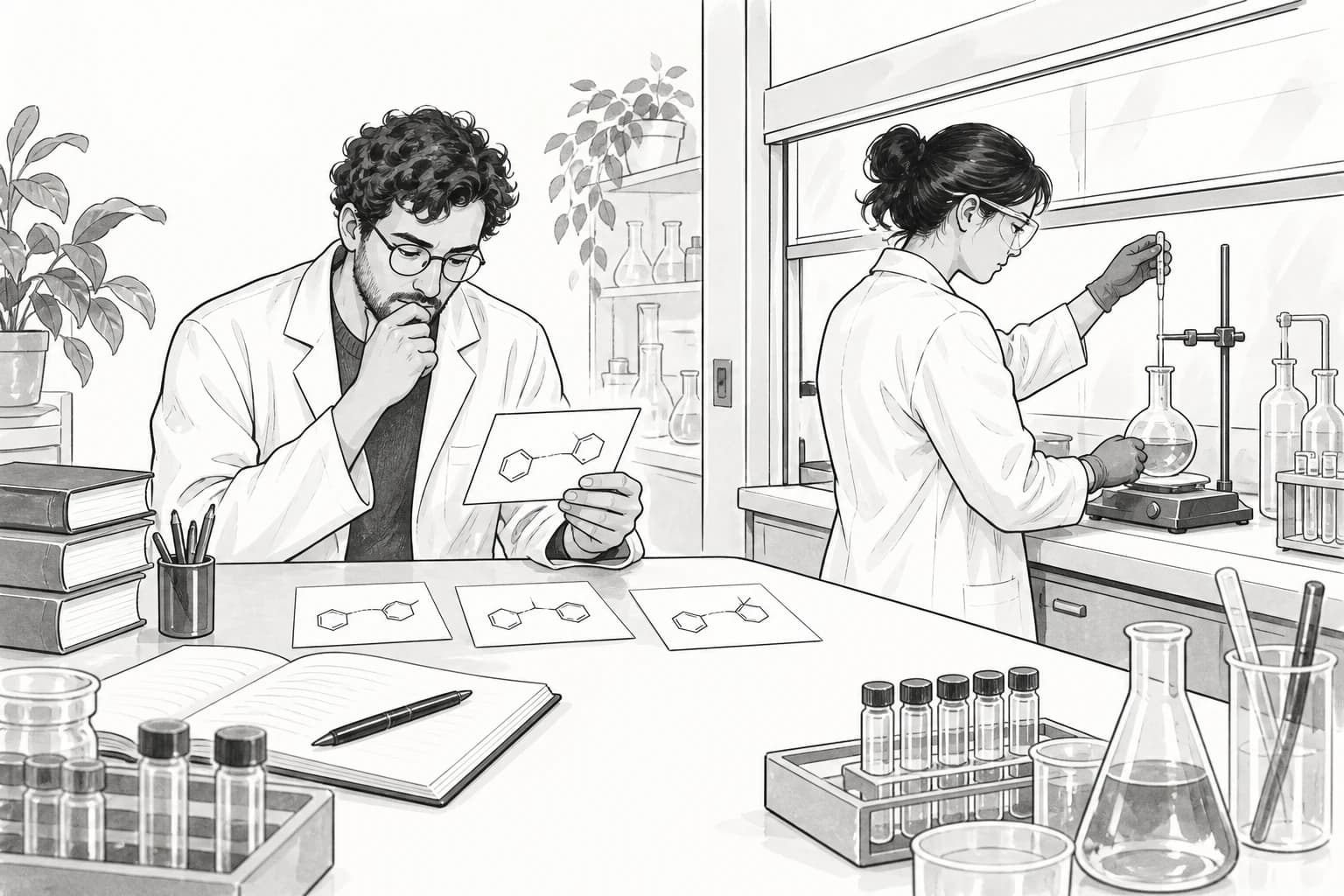
A chemistry language model helped choose conditions for a new reaction
Chemma combined reaction prediction with active learning to help chemists find a ligand and solvent in 15 laboratory runs, reaching 67% isolated yield. It is one reaction study with human oversight, not a general autonomous chemist.
Zhang and colleagues · Nature Machine Intelligence · July 1, 2025
Independent validation
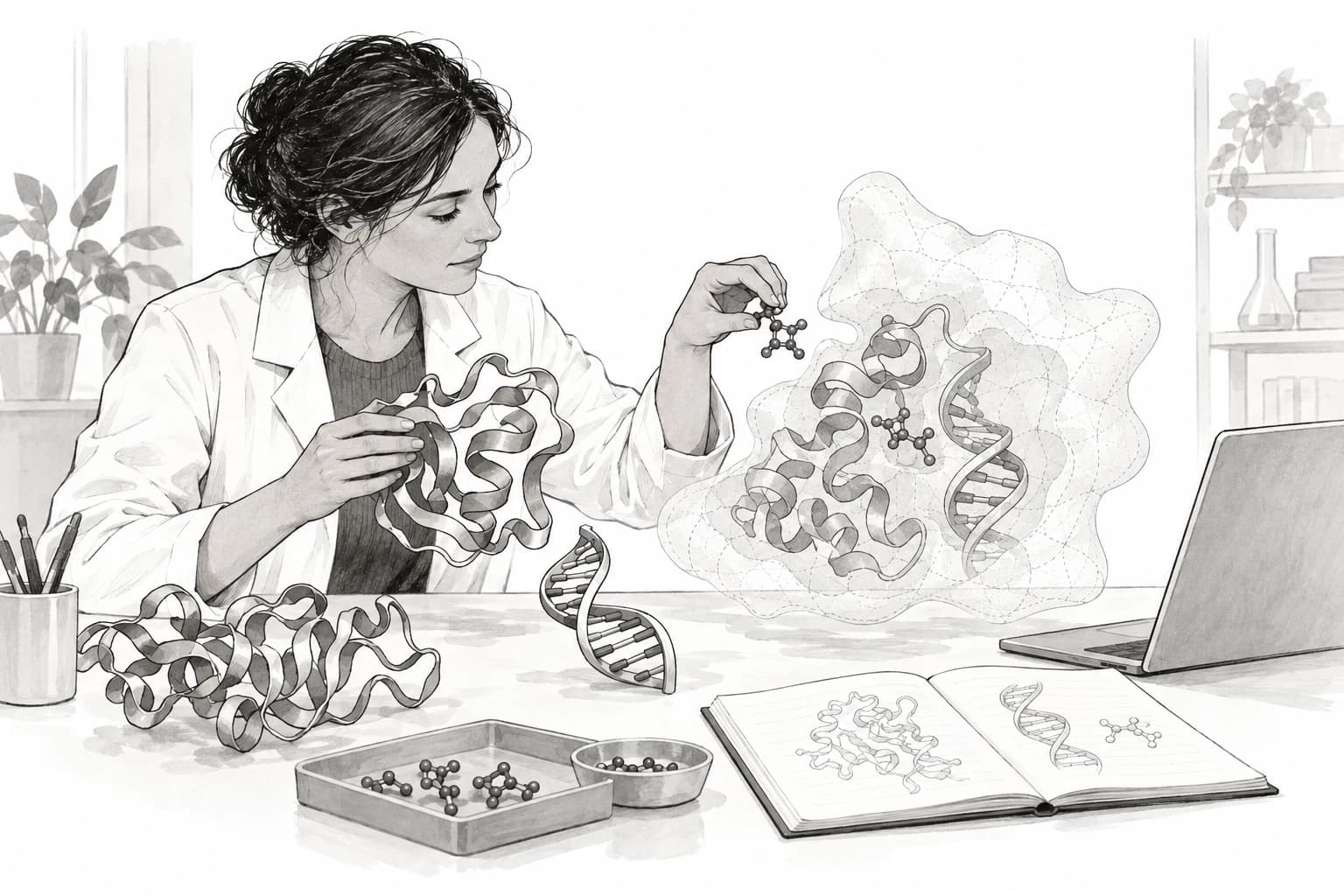
AlphaFold 3 predicts how several kinds of biological molecules fit together
AlphaFold 3 extends structure prediction beyond proteins to interactions involving DNA, RNA, small molecules and antibodies. Its benchmark gains can guide experiments, but a predicted structure is not proof of binding or biological effect.
Abramson and colleagues · Nature · May 8, 2024
Research claim
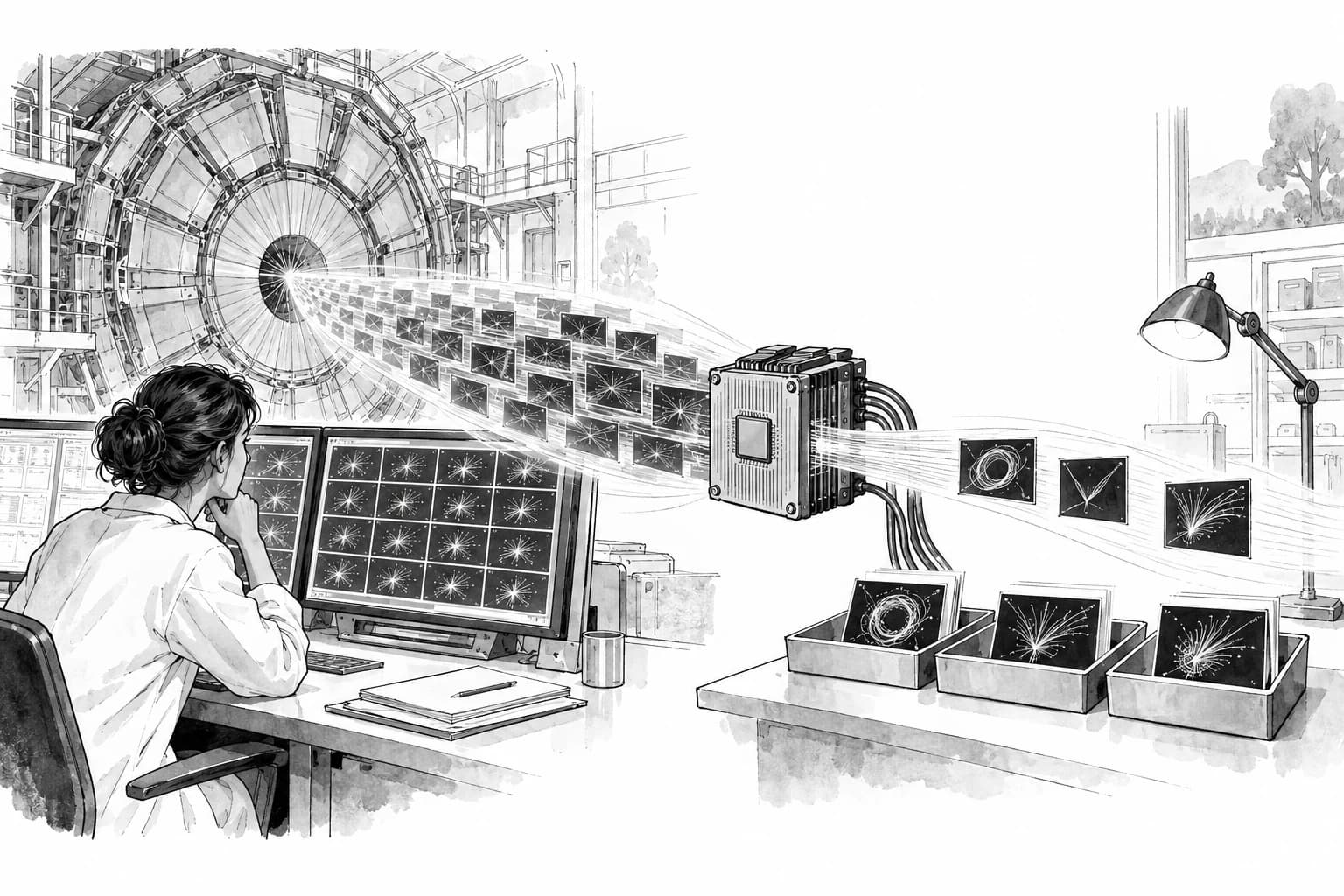
A 30-nanosecond AI filter could help particle experiments keep unusual events
Researchers implemented an anomaly detector as decision trees on an FPGA and measured 30-nanosecond inference with low hardware use. It is a fast prototype tested on simulated collider scenarios, not evidence that new physics has been discovered.
Roche and colleagues · Nature Communications · April 26, 2024
Independent validation
8 of 8 results. End of results.